

Overview
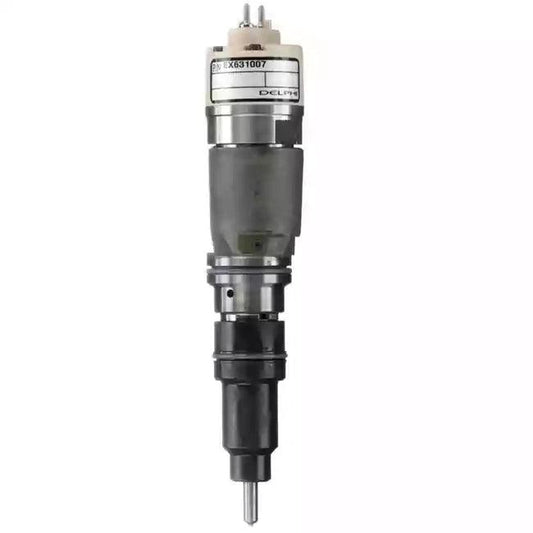
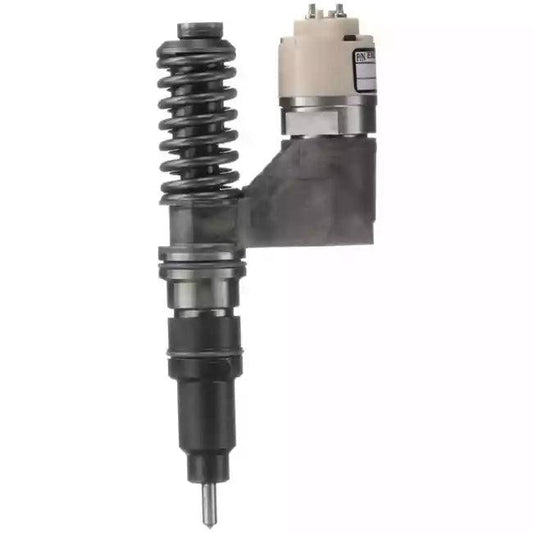
The 0445020043 is a Bosch CP3-series high-pressure common rail fuel injection pump designed for the Cummins QSB6.7 diesel engine. The QSB6.7 is one of the most widely deployed mid-range diesel engines in the world, powering everything from Komatsu excavators to Case construction equipment and agricultural machinery. The CP3 pump pressurizes fuel to 160–180 MPa and supplies the common rail, making it the critical link between the fuel tank and the precision injectors. Pump failure directly impacts engine power, fuel economy, and emissions compliance — and in a working machine, every hour of downtime costs money.
1. Part Specifications
- Part Number: 0445020043
- Pump Type: Bosch CP3 High-Pressure Common Rail Pump
- Engine: Cummins QSB6.7 (6-cylinder, 6.7L diesel)
- Emission Tier: Tier 3 / Stage IIIA
- Max Rail Pressure: ~160–180 MPa
- Drive: Gear-driven from engine front gear train
- Control: Electronic Fuel Volume Control Valve (FVCV / Metering Unit)
2. Compatible Vehicles & Equipment
The Cummins QSB6.7 engine with the 0445020043 pump is used across a wide range of heavy construction, agricultural, and industrial equipment:
- Komatsu Excavators — PC200-8, PC210-8, PC220-8, PC240-8, PC270-8
- Komatsu Wheel Loaders — WA320-6, WA380-6
- Case Construction — CX210B, CX240B, CX290B excavators; 621F, 721F wheel loaders
- New Holland Construction — E215B, E265B excavators
- Doosan / Bobcat — DX210W, DX255LC excavators (QSB6.7 variant)
- John Deere — 200D LC, 210D LC, 230D LC excavators (QSB6.7 engine option)
- CNH Industrial Equipment — Various telehandlers and compact track loaders
- Marine & Generator Applications — Stationary and mobile power units using QSB6.7
Always verify the engine dataplate and fuel system code before ordering. The QSB6.7 was produced across multiple emission tiers with different pump variants. Confirm 0445020043 matches your specific engine serial number range.
3. Common Fault Codes Associated with This Pump
When the 0445020043 pump begins to fail, the Cummins ECM (CM2150 or CM850) will log one or more of the following fault codes, readable via Cummins INSITE, Komatsu KOMTRAX, or compatible diagnostic tools:
- SPN 157 / FMI 1 (Cummins) — Fuel Rail Pressure Too Low: The pump cannot achieve or sustain target rail pressure. Most commonly caused by worn CP3 plungers, a faulty metering unit, or fuel supply restriction.
- SPN 157 / FMI 0 — Fuel Rail Pressure Too High: Often caused by a stuck-closed metering unit or faulty pressure relief valve on the rail.
- P0087 — Fuel Rail/System Pressure Too Low: Standard OBD code; same root cause as SPN 157 FMI 1.
- P0088 — Fuel Rail/System Pressure Too High: Overpressure condition; check metering unit and pressure relief valve.
- P0191 — Fuel Rail Pressure Sensor Circuit Range/Performance: Erratic rail pressure signal; may indicate pump output instability or a failing rail pressure sensor.
- P0251 / P0252 — Injection Pump Fuel Metering Control Malfunction/Range: The metering unit (FVCV) solenoid circuit has an open, short, or performance fault.
- Komatsu Error E03-1 — Fuel System Pressure Low: Direct indication of insufficient pump output, commonly logged on PC200-8 / PC210-8 machines.
- Komatsu Error E03-2 — Fuel System Pressure High: Overpressure fault; check metering unit and rail pressure limiter.
4. Failure Symptoms & Diagnosis
Symptom 1: Hard Starting or Extended Cranking
Cause: Worn CP3 plungers cannot build sufficient rail pressure during cranking. The ECM requires a minimum rail pressure before enabling injector firing — if the pump cannot reach this threshold, the engine cranks but will not start.
Diagnosis: Connect Cummins INSITE or a compatible scan tool and monitor live rail pressure during cranking. Normal cranking pressure should reach 25–50 MPa within 3–5 seconds. Values below this confirm pump output failure. Also check fuel supply pressure at the pump inlet (should be 0.3–0.6 MPa from the lift pump).
Symptom 2: Power Loss & Derating Under Load
Cause: The pump cannot sustain target rail pressure (typically 120–160 MPa) at high load. The ECM detects the pressure shortfall and activates fuel derate mode, limiting engine output to protect the system.
Diagnosis: Perform a rail pressure test at full load (rated RPM). A healthy pump should maintain pressure within ±5 MPa of the ECM target. Significant pressure drop under load — especially if the metering unit duty cycle is already at maximum — confirms pump wear. Rule out a clogged fuel filter and restricted fuel supply line first.
Symptom 3: Rough Idle & Unstable RPM
Cause: Inconsistent fuel delivery due to worn pump internals or a sticking metering unit, causing rail pressure oscillations that result in uneven injector firing and rough idle.
Diagnosis: Monitor rail pressure at idle — it should be stable within ±2–3 MPa of the idle target (typically 25–40 MPa). Pressure oscillations greater than ±5 MPa indicate pump or metering unit instability. Perform a cylinder contribution test to rule out individual injector faults before condemning the pump.
Symptom 4: Metering Unit Fault (P0251/P0252)
Cause: The metering unit (FVCV) solenoid coil has failed (open or short circuit), or the solenoid wiring harness connector is damaged or corroded. The ECM cannot control fuel volume entering the pump.
Diagnosis: Measure metering unit solenoid resistance at the pump connector (typically 5–8 ohms for CP3 metering units). An open circuit or short to ground confirms solenoid failure. Inspect the wiring harness for chafing near the pump. Note: the metering unit can sometimes be replaced separately — consult your parts supplier before replacing the entire pump.
Symptom 5: Black Smoke & Increased Fuel Consumption
Cause: A stuck-open metering unit causes over-fueling at certain RPM ranges, leading to incomplete combustion and black exhaust smoke. Alternatively, internal pump bypass leakage can cause the ECM to command excessive metering unit duty cycle to compensate, resulting in erratic fueling.
Diagnosis: Monitor metering unit duty cycle via scan tool. If the ECM is commanding unusually high duty cycle at light load to maintain rail pressure, internal pump bypass leakage is likely. Compare actual vs. commanded rail pressure across the RPM range.
Symptom 6: Metal Contamination in Fuel Filter
Cause: Advanced internal CP3 pump wear generates fine metal particles that circulate through the fuel system. This is a critical failure mode that can destroy injectors if not addressed immediately.
Diagnosis: Inspect the fuel filter element for metallic debris (fine silver/grey particles or a metallic sheen in the filter bowl). If found, replace the pump immediately and flush the entire fuel system — including the common rail, all high-pressure lines, and injector return circuits — before installing new injectors.
5. Replacement Procedure
⚠️ Safety Note: The QSB6.7 common rail system retains pressure up to 180 MPa after shutdown. Never loosen any fuel line fittings until the rail has fully depressurized. Turn the ignition off and wait at least 5 minutes before beginning work. Wear appropriate eye protection.
- Disconnect the battery negative terminal and allow the rail to depressurize for at least 5 minutes.
- Thoroughly clean the pump and surrounding area with brake cleaner to prevent contamination during removal.
- Disconnect the metering unit electrical connector and any other pump-mounted sensors.
- Disconnect the high-pressure outlet line to the common rail and the low-pressure inlet and return lines. Cap all openings immediately with clean plugs.
- Remove the pump drive gear access cover. Using a suitable holding tool, remove the drive gear nut and withdraw the gear using a puller. Do not hammer the gear.
- Remove the pump mounting bolts (typically 3) and withdraw the pump from the gear housing. Note the pump flange orientation for reinstallation.
- Install the new 0445020043 pump, aligning the drive key and gear to the original position. Torque the drive gear nut to Cummins specification (refer to QSB6.7 Workshop Manual — typically 100–120 Nm).
- Torque pump mounting bolts to specification (typically 25–30 Nm).
- Reconnect all fuel lines using new sealing washers on banjo fittings. Torque to specification.
- Reconnect the metering unit connector and any other electrical connections.
- Prime the fuel system: cycle the ignition on/off 4–5 times (without cranking) to allow the lift pump to fill the system, then crank in short bursts until the engine starts.
- Start the engine and use a scan tool to confirm rail pressure is within specification and no fault codes are present.
- Check all connections for leaks under operating pressure. Re-torque banjo fittings if necessary.
6. Maintenance Tips to Extend Pump Life
- Replace the primary and secondary fuel filters every 500 hours or per Cummins/OEM specification. The CP3 pump is highly sensitive to fuel contamination — a clogged filter is the most common cause of premature pump failure.
- Use a fuel water separator and drain it every 250 hours. Water causes immediate corrosion of the pump’s precision steel plungers and barrel assembly.
- Always use clean, low-sulfur diesel (ULSD, max 15 ppm sulfur for Tier 3 engines). Avoid biodiesel blends above B5 unless specifically approved by Cummins for your engine variant.
- Never run the fuel tank below 1/4 full. Low fuel level increases the risk of drawing sediment and water into the pump, and reduces the fuel’s cooling effect on the pump internals.
- After pump replacement, always perform a fuel system prime and check for fault codes before returning the machine to service. Some applications may require a rail pressure adaptation procedure via the diagnostic tool.
7. Get the Replacement Part
If your Cummins QSB6.7-powered excavator or construction machine is showing any of the symptoms above, a quality replacement pump is the most reliable solution. Our 0445020043 Fuel Injection Pump for Cummins QSB6.7 is manufactured to OEM specifications for correct fit, accurate rail pressure output, and long service life. Order today and get your machine back to full working power.