

Introduction
Construction machinery plays an irreplaceable role in building, mining, road construction, and other industries. However, the efficient operation of these heavy-duty machines depends on a healthy fuel system. In this guide, we'll walk you through the essential maintenance practices for construction machinery fuel systems to help you extend equipment lifespan and reduce breakdowns.
1. Core Components of the Fuel System
The fuel system in construction machinery consists of the following key components:
- Fuel Tank: Stores fuel; inspect regularly for rust or leaks.
- Fuel Filter: Removes contaminants from fuel — your first line of defense for the injection system.
- Fuel Pump: Delivers fuel from the tank to the engine; stable pressure is critical for performance.
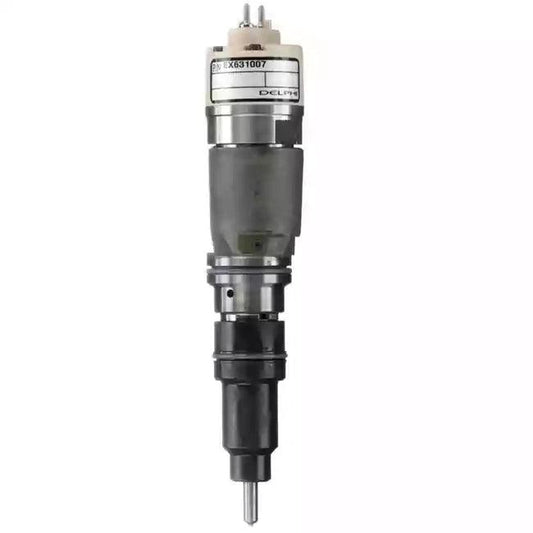
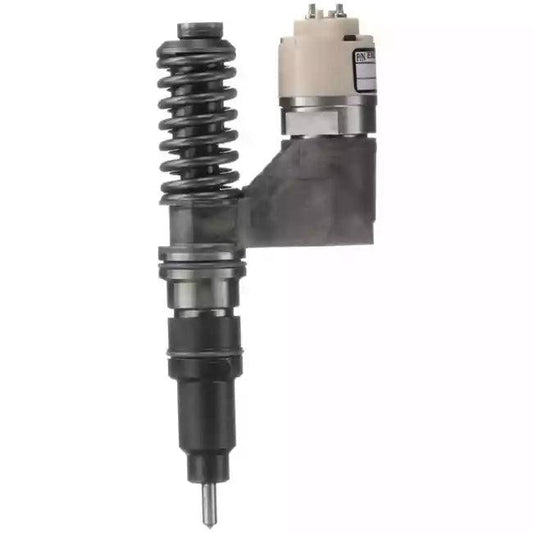
- Fuel Injectors: Precisely control fuel delivery; a core component of modern diesel engines.
- High-Pressure Fuel Lines: Connect all components; inspect regularly for cracks or aging.
2. Key Daily Maintenance Practices
1. Replace the Fuel Filter Regularly
It is recommended to replace the fuel filter every 250–500 operating hours, depending on the working environment. In dusty job sites, shorten the replacement interval accordingly. Using a low-quality filter can allow contaminants into the injection system, causing injector blockages and extremely costly repairs.
2. Use Quality Fuel
Poor-quality fuel with excess moisture and impurities is one of the leading causes of fuel system damage. Always purchase fuel from reputable suppliers and check fuel quality before filling up. In winter, use low-pour-point diesel to prevent fuel from gelling and blocking the fuel lines in cold temperatures.
3. Inspect Fuel Lines Regularly
Check high-pressure and low-pressure fuel line connections monthly for signs of leakage. Rubber hoses deteriorate and crack over time with extended use — replace them promptly to avoid fire hazards caused by fuel leaks.
4. Clean the Fuel Tank
It is recommended to thoroughly clean the fuel tank once a year to drain accumulated water and sediment from the bottom. Moisture entering the fuel system causes metal components to rust, seriously affecting equipment performance.
5. Monitor Fuel Consumption
If you notice a sudden increase in fuel consumption, immediately inspect the fuel system for leaks or injector faults. Abnormal fuel consumption is often an early warning sign of equipment problems.
3. Common Faults and Solutions
Difficulty Starting: Check whether the fuel filter is clogged, fuel pump pressure is normal, and injectors are carbon-fouled.
Black Exhaust Smoke: Usually related to poor injector atomization or a clogged air filter — requires prompt inspection and repair.
Abnormal Increase in Fuel Consumption: Inspect all line connections for leaks and check injectors for dripping.
4. The Importance of Choosing Quality Parts
Construction machinery operates in harsh environments for extended periods, placing extremely high demands on fuel system component quality. Choosing parts that meet OEM standards not only ensures normal equipment operation but also effectively reduces maintenance frequency and overall operating costs.
We offer fuel system components covering all major construction machinery brands, including fuel filters, fuel pumps, injectors, and other core parts. Contact us for professional parts selection advice.
Conclusion
Proper daily maintenance of your construction machinery fuel system is essential for ensuring construction efficiency and reducing operating costs. Regular servicing and the use of quality parts will keep your equipment running at its best at all times.