

Overview
The John Deere 6068 is one of the most versatile and widely deployed diesel engines in the world, powering everything from John Deere's iconic agricultural tractors to construction equipment, marine applications, and industrial generators. The 6068 family (6.8-litre, 6-cylinder) has been in production for decades and is found on virtually every continent. Whether you're running a John Deere 8R series tractor on a farm or a 200D LC excavator on a construction site, understanding the fuel system is essential for keeping your machine running at peak performance.
This guide covers the complete fuel system on the John Deere 6068 engine — from the electric lift pump to the high-pressure injection pump and injectors — with a focus on practical diagnosis, fault codes, and repair procedures.
1. Engine & Fuel System Overview
- Engine Family: John Deere PowerTech 6068 (6-cylinder, 6.8L diesel)
- Variants: 6068H (naturally aspirated), 6068T (turbocharged), 6068TF (turbocharged, Tier 2), 6068TJ (Tier 3), 6068HF (Tier 2 NA)
- Emission Tiers: Tier 1 through Tier 3 / Stage IIIA (depending on build year)
-
Fuel System Types:
- Older variants (Tier 1/2): Stanadyne DB4 or DB2 rotary distributor pump (mechanical)
- Tier 3 variants: Bosch high-pressure common rail (HPCR) with electronic control
- Lift Pump: Electric fuel transfer pump (24V) — Part No. RE515718
- Max Rail Pressure (HPCR variants): ~160 MPa
2. Compatible John Deere Equipment
The 6068 engine powers an enormous range of John Deere and OEM equipment:
Agricultural Tractors:
- John Deere 6010, 6110, 6210, 6310, 6410, 6510, 6610 series
- John Deere 6020, 6120, 6220, 6320, 6420, 6520, 6620 series
- John Deere 7210, 7410, 7510, 7610, 7710, 7810 series
- John Deere 8100, 8200, 8300, 8400 series (6068 variant)
Construction Equipment:
- John Deere 200D LC, 210D LC, 230D LC excavators
- John Deere 310J, 310K, 410J, 410K backhoe loaders
- John Deere 544J, 624J, 644J wheel loaders
- John Deere 700J, 750J, 850J crawler dozers
- John Deere 672D, 772D motor graders
Other Applications:
- John Deere marine engines (6068AFM, 6068TFM series)
- Industrial generators and pump sets
- OEM applications (various manufacturers using 6068 as a base engine)
Always verify the engine serial number and fuel system type (mechanical vs. common rail) before ordering parts. The 6068 family spans multiple decades and emission tiers with significantly different fuel system configurations.
3. The Electric Lift Pump: RE515718
On John Deere 6068 engines equipped with a high-pressure common rail system, the electric fuel transfer pump (RE515718) is a critical component that is often overlooked. This 24V electric pump is responsible for:
- Drawing fuel from the tank and delivering it to the high-pressure injection pump at the correct supply pressure (typically 0.3–0.6 MPa)
- Priming the fuel system after filter changes or fuel starvation events
- Maintaining consistent fuel supply pressure under varying engine loads and temperatures
A failed or weak lift pump is one of the most common causes of hard starting, power loss, and high-pressure pump damage on 6068 HPCR engines. The high-pressure pump relies entirely on the lift pump for its fuel supply — if supply pressure drops, the HP pump cannot maintain rail pressure, leading to fault codes and performance issues.
4. Common Fault Codes for 6068 Fuel System
Fault codes vary depending on whether your 6068 uses a mechanical injection system or a common rail system. For HPCR-equipped engines, codes are readable via John Deere Service ADVISOR or compatible diagnostic tools:
Common Rail (Tier 3) Fault Codes:
- SPN 94 / FMI 1 — Fuel Delivery Pressure Low: Supply pressure at the HP pump inlet is below specification. Most commonly caused by a failed electric lift pump (RE515718), clogged primary filter, or restricted fuel line.
- SPN 157 / FMI 1 — Fuel Rail Pressure Too Low: The HP pump cannot achieve or sustain target rail pressure. Caused by worn pump internals, faulty pressure control valve, or low supply pressure from the lift pump.
- SPN 157 / FMI 0 — Fuel Rail Pressure Too High: Overpressure condition; check pressure control valve and rail pressure limiter.
- P0087 — Fuel Rail/System Pressure Too Low.
- P0088 — Fuel Rail/System Pressure Too High.
- P0191 — Fuel Rail Pressure Sensor Circuit Range/Performance.
- P0201–P0206 — Injector Circuit Malfunction (Cylinder 1–6): Injector solenoid open or short circuit.
Mechanical Injection System (Tier 1/2) Fault Indicators:
- Hard starting — often caused by a worn Stanadyne pump or failed delivery valves
- Black smoke — over-fueling from incorrect timing or worn governor
- White smoke — late injection timing or failed delivery valve
- Rough idle — worn governor flyweights or sticking throttle shaft
5. Failure Symptoms & Diagnosis
Symptom 1: Hard Starting / Extended Cranking (HPCR)
Cause: The most common cause on HPCR-equipped 6068 engines is a failed or weak electric lift pump (RE515718). Without adequate supply pressure, the HP pump cannot build rail pressure during cranking.
Diagnosis: Check fuel supply pressure at the HP pump inlet using a low-pressure gauge (should be 0.3–0.6 MPa at cranking speed). If pressure is low or zero, test the lift pump: check for 24V supply at the pump connector with the ignition on. If voltage is present but pressure is low, the pump has failed. Also check for a clogged primary fuel filter or kinked fuel supply line.
Symptom 2: Power Loss & Derate Mode (HPCR)
Cause: The HP pump cannot sustain target rail pressure under load, triggering the ECM to activate a fuel derate. On a John Deere tractor, this manifests as reduced PTO power and sluggish response under heavy draft loads.
Diagnosis: Connect John Deere Service ADVISOR and monitor live rail pressure at full load. A healthy system should maintain pressure within ±5 MPa of the ECM target. Check lift pump supply pressure first — a weak lift pump is often the root cause of apparent HP pump failure.
Symptom 3: Rough Idle & Misfiring
Cause: On HPCR engines, inconsistent fuel delivery from a worn HP pump or failing injector. On mechanical engines, worn governor components or a sticking injector nozzle.
Diagnosis (HPCR): Monitor rail pressure stability at idle. Perform a cylinder contribution test using Service ADVISOR to identify any weak cylinders. Check injector back-leak flow on suspect cylinders.
Symptom 4: Lift Pump Failure (RE515718)
Cause: The electric lift pump motor has failed, or the pump check valves have worn, allowing fuel to drain back to the tank when the engine is stopped.
Diagnosis: With the ignition on (engine not running), you should hear the lift pump prime for 2–3 seconds. If silent, check the pump fuse and relay first. If fuse and relay are good but the pump is silent, the pump motor has failed. If the pump runs but supply pressure is low, the internal check valves are worn.
6. Lift Pump Replacement Procedure (RE515718)
- Locate the electric fuel pump — typically mounted on the engine block or fuel filter housing, depending on the machine model.
- Turn the ignition off and allow any residual fuel pressure to dissipate.
- Disconnect the electrical connector from the pump.
- Place a rag under the pump to catch residual fuel. Disconnect the inlet and outlet fuel lines and cap immediately.
- Remove the pump mounting bolts or bracket and withdraw the pump.
- Install the new RE515718 pump in the reverse order. Use new O-rings or sealing washers on the fuel line connections.
- Reconnect the electrical connector.
- Turn the ignition on (without cranking) and listen for the pump to prime. Check all connections for leaks.
- Start the engine and verify correct fuel supply pressure. Check for fault codes using Service ADVISOR.
7. Maintenance Tips to Extend Fuel System Life
- Replace fuel filters every 500 hours or per John Deere specification. A clogged primary filter is the #1 cause of lift pump and HP pump failure.
- Drain the water separator every 250 hours. Water in the fuel system causes rapid corrosion of pump internals and injector nozzles.
- Use clean, low-sulfur diesel appropriate for your engine's emission tier.
- Never run the fuel tank to empty. Fuel starvation causes immediate wear to the lift pump and HP pump internals.
- Test lift pump supply pressure at every major service on HPCR-equipped engines. Catching a weak lift pump early prevents expensive HP pump and injector damage.
8. Get the Right Parts for Your John Deere 6068
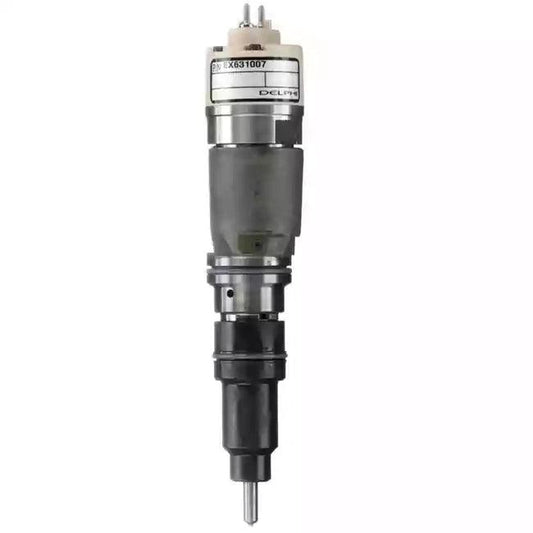
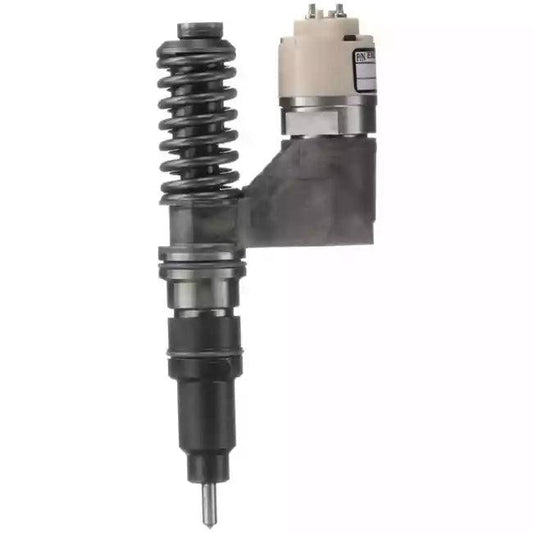
Whether your 6068 needs a lift pump, injection pump, or injectors, using quality parts built to OEM specifications is essential for reliable performance. We stock:
Not sure which part fits your specific machine? Contact us with your engine serial number and machine model and we'll help you identify the correct part.