

P0251 does not automatically mean you need a new fuel pump
A diesel engine that hesitates, loses power, struggles to start, or enters reduced-power mode may log P0251. The generic OBD-II description is commonly given as Injection Pump Fuel Metering Control “A” Range/Performance (Cam/Rotor/Injector). The exact component monitored, fault threshold, and diagnostic procedure vary by engine and control system. On some common-rail applications, the problem may involve fuel-metering control or an inability to achieve the commanded fuel pressure. On other systems, the code description refers to a different pump arrangement. Read the manufacturer's service information for the specific engine before interpreting it as a failed pump.
This guide shows how to narrow down the cause without buying an expensive part on a guess.
What symptoms can appear with P0251?
- Hard starting or extended cranking
- Reduced power, hesitation, or stalling
- Rough running or unstable idle
- A warning lamp or reduced-power mode
These symptoms are not unique to P0251. Record all stored and pending codes, freeze-frame conditions, and recent repairs before clearing anything. A supply-pressure or electrical fault logged alongside P0251 may change the diagnosis.
A step-by-step diagnostic sequence
1. Confirm the application and reproduce the complaint
Record the engine model, serial number, fuel-system type, and the conditions when the fault occurs: cold start, hot restart, idle, acceleration, or heavy load. Scan the engine with a tool that can display manufacturer-specific data. Do not assume the same code points to the same part on every Isuzu, Cummins, Caterpillar, or Mitsubishi application.
2. Compare commanded and actual fuel-pressure data
On an electronically controlled common-rail engine, graph desired and actual rail pressure during the condition that triggers the complaint. Note whether actual pressure falls behind demand, overshoots it, or becomes erratic. Compare readings with the manufacturer’s specification for that engine and operating state; a universal pressure threshold is not reliable across applications. If the displayed pressure appears implausible, verify the sensor, connector, and wiring before condemning the pump.
3. Check the low-pressure fuel supply first
Inspect fuel level and quality, filter condition, water separator, collapsed hoses, air ingress, and any lift pump or supply-side restriction. Measure inlet pressure or restriction using the manufacturer's procedure. A starved high-pressure pump cannot maintain rail pressure, even when the pump itself is healthy.
4. Inspect the fuel-metering control circuit
Locate the metering valve or actuator specified for the engine. Check its connector for loose pins, moisture, corrosion, and harness damage. Follow the service manual's electrical test and scan-tool actuator-test procedure; do not apply battery voltage directly to a valve unless the manufacturer explicitly instructs you to. A wiring issue can imitate a stuck metering valve.
5. Rule out excessive return flow and leaks
Excessive injector return flow or a pressure-control leak can prevent pressure from building. Use the approved injector leak-off or return-flow test for the engine and inspect for external leaks. Do not loosen a high-pressure line while the engine is running to “check” fuel delivery.
6. Evaluate the pump only after upstream checks
If supply, electrical controls, sensors, and return-flow checks pass, follow the manufacturer's pump output or control test. Inspect fuel and the old filter for water or metallic debris. Metal contamination may require more than a pump swap: the affected components and fuel circuit must be assessed and cleaned or replaced according to the service procedure.
Quick decision table
| Finding | Next check |
|---|---|
| Low supply pressure or restriction | Filter, lift pump, tank pickup, hoses, and air ingress |
| Pressure reading implausible or intermittent | Pressure sensor signal, reference, ground, and connector |
| Metering command or circuit abnormal | Harness, connector, actuator and manufacturer test procedure |
| Actual pressure lags while supply is within specification | Injector return flow, pressure-control leakage, then pump performance |
| Metallic debris or water found | Stop operation and assess contamination throughout the fuel system |
Before ordering a replacement part
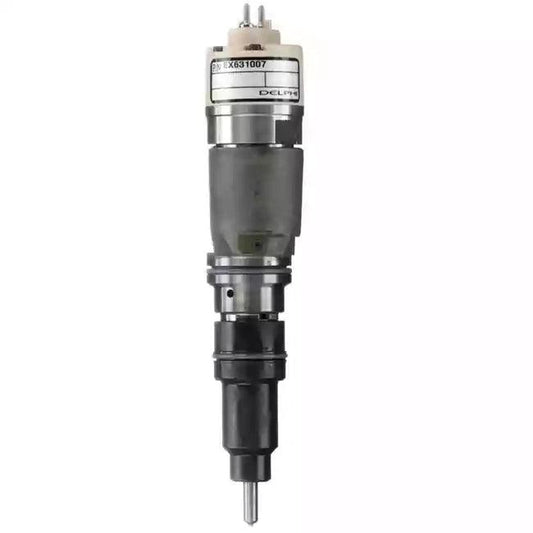
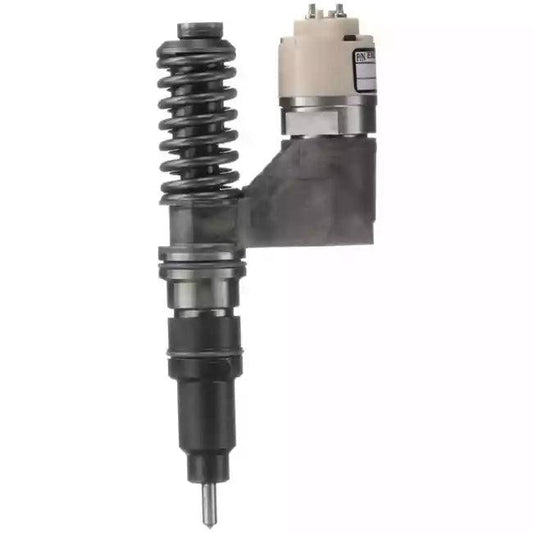
Match the complete number on the existing component to the engine serial number and the equipment maker's parts catalog. A pump or metering valve that looks similar can differ in calibration, connectors, or control strategy. Keep photos of the pump label, engine data plate, and diagnostic readings so a supplier can help verify the exact replacement.
Safety: Common-rail fuel systems operate at pressures capable of causing serious injection injuries. Shut down, follow the manufacturer's depressurization instructions, and use proper protective equipment before opening the system. For procedures requiring specialized equipment, use a qualified diesel technician.
Need help matching a diagnosed replacement? Send FuelPartsPro the complete part number and engine identification, along with the test results. Confirming the fault and fitment first can save a second repair.