

Overview
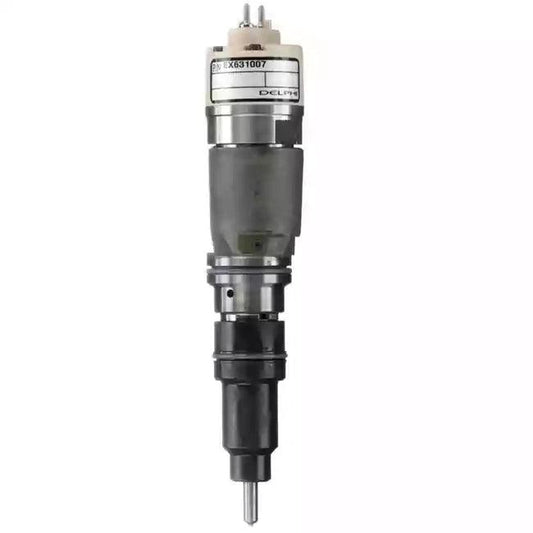
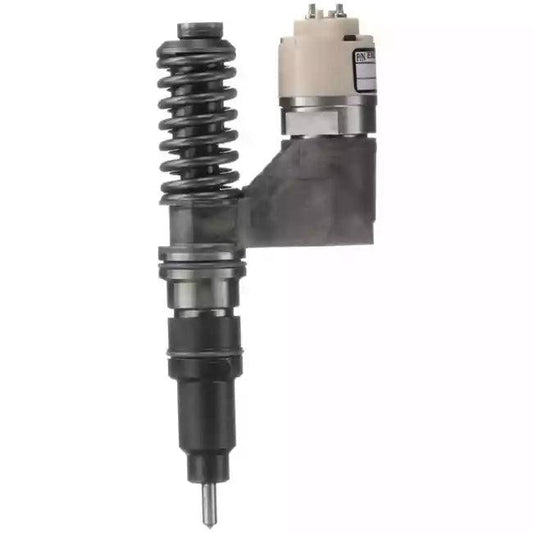
The 20847327 (OEM reference: VOE20847327) is a direct-fit fuel injector for the Volvo D12D diesel engine — one of the most widely deployed heavy-duty powerplants in Volvo's commercial truck and construction equipment lineup. As a precision component in the unit injector system, it controls the timing, duration, and pressure of fuel delivery directly into each cylinder. Injector performance is critical: even minor wear or contamination leads to misfires, power loss, and elevated emissions.
1. Part Specifications
- OEM Part Number: 20847327
- Volvo Reference: VOE20847327
- Injector Type: Electronically Controlled Unit Injector (EUI)
- Engine: Volvo D12D (12-litre, 6-cylinder inline diesel)
- Actuation: Camshaft-driven with electronic solenoid control
- Fuel System: Unit Injector (non-common rail; each injector is self-contained with its own high-pressure pump element)
2. Compatible Vehicles & Equipment
The 20847327 injector is used across a broad range of Volvo-powered heavy vehicles and construction machinery:
- Volvo FH12 / FH16 — long-haul heavy trucks (D12D engine variant)
- Volvo FM12 — medium-to-heavy distribution and construction trucks
- Volvo NH12 — North American market heavy-duty trucks
- Volvo A25D / A30D Articulated Haulers — off-road construction dump trucks
- Volvo EC460B / EC480D Excavators — large hydraulic excavators with D12D engine
- Volvo L150E / L180E Wheel Loaders — heavy wheel loaders using D12D platform
- Volvo G900 Series Motor Graders — road construction graders
Always confirm the engine serial number and model year before ordering. D12D variants span multiple emission tiers (Euro 2–Euro 3); verify injector compatibility with your specific engine build.
3. Common Fault Codes Associated with This Injector
When a 20847327 injector begins to fail, the engine ECU (Volvo VECU/EMS) will typically log one or more of the following fault codes, readable via Volvo VCADS Pro or compatible diagnostic tools:
- MID 128 PSID 1–6 — Injector Cylinder 1–6 Fault: Unit injector solenoid circuit open or short circuit. Indicates electrical failure of the injector solenoid.
- MID 128 PID 85 — Engine Speed Governor Fault: Can be triggered by severe injector imbalance causing erratic engine speed.
- MID 128 SID 1–6 — Injector Cylinder 1–6 Contribution Fault: The ECU detects that a specific cylinder is contributing less power than expected, pointing to a mechanically worn or stuck injector.
- P0201–P0206 — Injector Circuit Malfunction (Cylinder 1–6): Standard OBD-II codes for injector solenoid open/short circuit.
- P0261–P0272 — Injector Circuit Low/High (Cylinder 1–6): Voltage out of range on the injector control circuit.
- P0300–P0306 — Random/Multiple Cylinder Misfire Detected: Often triggered by a failed injector causing incomplete combustion in one or more cylinders.
4. Failure Symptoms & Diagnosis
Symptom 1: Hard Starting or Extended Cranking
Cause: A seized or stuck-open injector needle prevents proper fuel atomization during cold starts. The cylinder may flood or receive no fuel at all.
Diagnosis: Perform a cylinder cut-out test using VCADS Pro. Disable each injector one at a time and monitor RPM drop. A faulty injector will show little or no RPM change when cut out, compared to a healthy cylinder which causes a noticeable drop.
Symptom 2: Rough Idle & Vibration
Cause: Uneven fuel delivery between cylinders due to a worn injector needle or partially blocked nozzle tip. The engine runs unevenly at low load.
Diagnosis: Check cylinder contribution balance data. A deviation of more than 10–15% from the average across cylinders indicates an injector requiring replacement or reconditioning.
Symptom 3: Power Loss Under Load
Cause: Reduced injector flow rate due to nozzle wear or internal leakage. The affected cylinder cannot deliver sufficient fuel at high load conditions.
Diagnosis: Perform a full-load injector balance test. Monitor exhaust temperature per cylinder using a pyrometer — a cold cylinder indicates low fuel delivery; an excessively hot cylinder may indicate a stuck-open injector.
Symptom 4: Excessive Black or White Smoke
Cause: Black smoke indicates over-fueling (stuck-open needle or incorrect injection timing). White smoke suggests incomplete combustion from a weak or intermittently firing injector.
Diagnosis: Inspect injector return fuel volume. Excessive return flow (back-leak test) confirms internal injector wear and loss of sealing pressure.
Symptom 5: Fuel Dilution in Engine Oil
Cause: A cracked injector body or failed copper sealing washer allows fuel to leak past the injector sleeve into the oil gallery.
Diagnosis: Check engine oil for diesel smell and reduced viscosity. Inspect injector sleeve and seating area for carbon deposits or corrosion. Replace the injector and sleeve if contamination is confirmed.
5. Replacement Procedure
⚠️ Safety Note: The D12D unit injector operates at extremely high internal pressures (up to 1,800 bar at the nozzle tip). Never loosen injector fittings with the engine running. Allow the engine to cool before removal.
- Remove the valve cover to access the injector rocker arms and camshaft.
- Rotate the engine to bring the target cylinder to BDC (bottom dead center) to relieve camshaft pressure on the injector rocker.
- Disconnect the injector solenoid wiring harness connector.
- Remove the injector hold-down clamp bolt and clamp.
- Use the correct injector puller tool (Volvo tool 9998248 or equivalent) to extract the injector from its sleeve. Never pry or hammer the injector body.
- Remove the old copper sealing washer from the injector bore. Clean the bore thoroughly.
- Install a new copper sealing washer on the replacement 20847327 injector.
- Lubricate the injector O-rings with clean diesel fuel and carefully insert the injector into the sleeve.
- Install the hold-down clamp and torque the bolt to specification (typically 50–60 Nm — refer to Volvo D12D workshop manual).
- Reconnect the solenoid connector. Start the engine and check for fault codes. Perform a cylinder contribution test to confirm correct operation.
6. Maintenance Tips to Extend Injector Life
- Maintain strict fuel filter change intervals (every 500 hours or per Volvo specification). Contaminated fuel is the primary cause of nozzle wear and solenoid failure.
- Use a fuel water separator and drain it regularly. Water in the fuel system causes rapid corrosion of injector internals.
- Always use diesel fuel meeting Volvo's specification (EN590 or equivalent, sulfur content below 50 ppm for Euro 3 engines).
- Replace the copper sealing washer every time an injector is removed — never reuse old washers.
- After replacing an injector, perform an injector calibration/adaptation procedure using VCADS Pro to allow the ECU to learn the new injector's flow characteristics.
7. Get the Replacement Part
If your Volvo D12D-powered truck or construction equipment is showing any of the symptoms above, a quality replacement injector is the most reliable fix. Our 20847327 / VOE20847327 Fuel Injector for Volvo D12D is manufactured to OEM specifications for correct fit and reliable performance. Order today and restore your engine to full power.