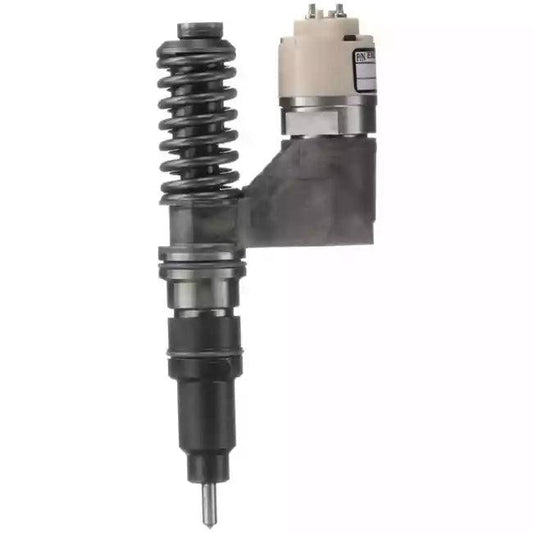


Overview
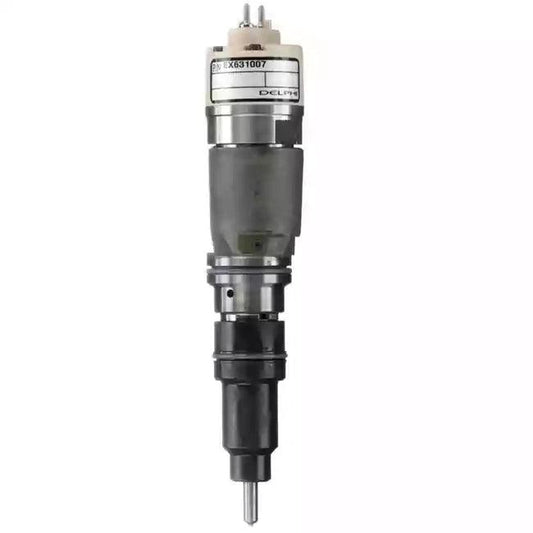
The 22100-E0480 (cross-reference: 294000-2290) is a high-pressure common rail fuel injection pump designed for the Hino J05E diesel engine. As a core component of the fuel delivery system, this pump is responsible for pressurizing fuel to the levels required by the common rail system — typically 160–180 MPa — and delivering it precisely to the injectors. Any degradation in pump performance directly impacts engine power, fuel economy, and emissions compliance.
1. Part Specifications
- OEM Part Number: 22100-E0480
- Cross Reference: 294000-2290 (Denso)
- Type: High-Pressure Common Rail Injection Pump (HP3 Series)
- Engine: Hino J05E (4-cylinder, 5.1L diesel)
- Fuel System: Common Rail Direct Injection (CRDI)
- Max Rail Pressure: ~180 MPa
2. Compatible Vehicles & Equipment
The 22100-E0480 injection pump is used across a wide range of Hino-powered commercial vehicles and construction equipment, including:
- Hino 300 Series (XZU series trucks) – medium-duty delivery trucks
- Hino 500 Series – heavy-duty trucks with J05E engine variant
- Toyota Dyna / ToyoAce – commercial light trucks using J05E
- Construction Equipment – various excavators, wheel loaders, and forklifts powered by J05E-based engines from OEM partners
- Industrial Generators – stationary power units using the J05E platform
Always verify the engine serial number and vehicle VIN before ordering to confirm fitment.
3. Common Fault Codes Associated with This Pump
When the 22100-E0480 pump begins to fail, the ECU will typically log one or more of the following diagnostic trouble codes (DTCs):
- P0087 – Fuel Rail/System Pressure Too Low: The pump is unable to build sufficient rail pressure. Most commonly caused by internal pump wear, a faulty pressure regulator, or fuel supply restriction.
- P0088 – Fuel Rail/System Pressure Too High: Often caused by a stuck SCV (Suction Control Valve) or faulty pressure limiter valve.
- P0191 – Fuel Rail Pressure Sensor Circuit Range/Performance: Indicates erratic rail pressure, which may point to pump output inconsistency.
- P0192 / P0193 – Fuel Rail Pressure Sensor Circuit Low/High Input: Can indicate sensor failure or actual pressure anomalies from the pump.
- P0628 / P0629 – Fuel Pump Control Module Low/High: Related to the SCV solenoid circuit on the pump body.
- U0100 – Lost Communication with ECM/PCM: In severe cases, pump-related pressure faults can cascade into communication errors.
4. Failure Symptoms & Diagnosis
Symptom 1: Hard Starting or No-Start
Cause: Insufficient rail pressure at cranking. The pump may have worn plungers or a faulty SCV that cannot build pressure quickly enough.
Diagnosis: Connect a rail pressure gauge or use a scan tool to monitor live rail pressure during cranking. Normal cranking pressure should reach at least 30–50 MPa within 2–3 seconds. Values below this indicate pump output failure.
Symptom 2: Engine Power Loss / Limp Mode
Cause: The pump cannot sustain target rail pressure under load. This triggers the ECU to enter a fuel-limited protection mode.
Diagnosis: Perform a rail pressure test at idle and under load (2000–2500 RPM). A healthy pump should maintain stable pressure within ±5 MPa of the target. Significant drops under load confirm pump wear.
Symptom 3: Rough Idle & Misfires
Cause: Inconsistent fuel delivery due to worn pump internals or a sticking SCV, causing uneven rail pressure and injector timing errors.
Diagnosis: Check for injector contribution balance data via scan tool. If all cylinders show similar deviation, the pump is the likely culprit rather than individual injectors.
Symptom 4: Excessive Fuel Consumption & Black Smoke
Cause: A faulty pressure regulator or SCV may cause over-fueling at certain RPM ranges, leading to incomplete combustion.
Diagnosis: Monitor fuel trim data and compare actual vs. commanded rail pressure. Discrepancies point to pump control valve issues.
Symptom 5: Fuel Contamination / Metal Particles in Filter
Cause: Advanced internal pump wear generates metal debris that circulates through the fuel system, potentially damaging injectors.
Diagnosis: Inspect the fuel filter element for metallic particles. If found, the pump must be replaced immediately and the entire fuel system flushed.
5. Repair & Replacement Procedure
⚠️ Important: High-pressure common rail systems retain pressure even after engine shutdown. Always depressurize the rail before disconnecting any fuel lines. Fuel pressure can exceed 180 MPa — never loosen fittings without proper safety precautions.
- Disconnect the battery negative terminal and allow the rail to depressurize for at least 5 minutes.
- Remove the engine cover and locate the injection pump on the front of the engine block (driven by the timing gear).
- Disconnect the SCV electrical connector and fuel inlet/outlet lines. Cap all openings immediately to prevent contamination.
- Remove the pump mounting bolts (typically 3–4 bolts). Note the pump drive gear timing marks before removal.
- Install the new 22100-E0480 pump, aligning the drive gear to the original timing marks.
- Torque mounting bolts to specification (refer to Hino J05E workshop manual — typically 25–30 Nm).
- Reconnect fuel lines and the SCV connector. Use new sealing washers on banjo fittings.
- Prime the fuel system using the manual priming pump (if equipped) or by cranking the engine in short bursts.
- Start the engine and monitor rail pressure with a scan tool. Confirm no fault codes are present.
- Check all connections for leaks under operating pressure.
6. Maintenance Tips to Extend Pump Life
- Replace the fuel filter every 250–500 hours or per the manufacturer's schedule — contaminated fuel is the #1 cause of premature pump failure.
- Always use diesel fuel that meets the engine's specification (typically EN590 or equivalent). Avoid fuel with high sulfur content.
- Never run the fuel tank to empty — this starves the pump of lubrication and cooling.
- After replacing the pump, flush the fuel system and replace the filter to remove any debris from the failed unit.
- Use a fuel water separator and drain it regularly to prevent moisture from entering the pump.
7. Get the Replacement Part
If your Hino J05E-powered vehicle or equipment is showing any of the symptoms above, a genuine-spec replacement pump is the most reliable solution. Our 22100-E0480 / 294000-2290 Fuel Injection Pump is built to OEM specifications, ensuring correct fit, proper rail pressure output, and long service life. Order today and get your machine back to full power.