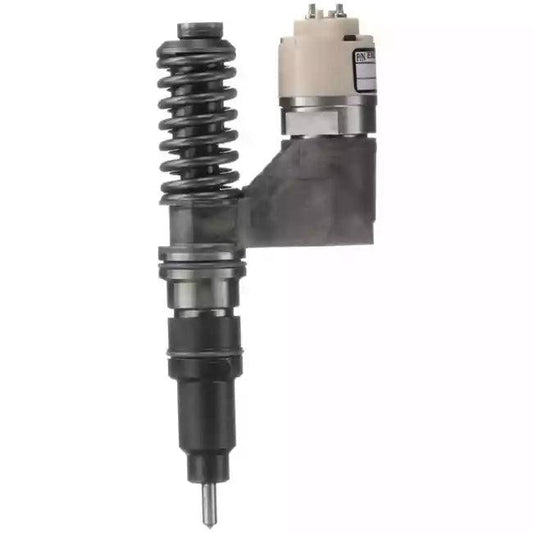


Understanding DTC P0093: Why a "Large Leak" Is Rarely an External Puddle
Encountering fault code P0093 (Fuel System Leak Detected – Large Leak) on a modern common-rail diesel engine can be alarming. When this code logs, the engine control unit (ECU) typically triggers an immediate emergency shutdown or restricts engine output into a severe limp-home mode to prevent catastrophic fuel spray or hydraulic failure.
However, field technicians frequently discover no visible external fuel leaks whatsoever. In high-pressure common rail (HPCR) architectures, P0093 is fundamentally a mathematical mass-balance discrepancy computed by the ECU. When the fuel metering actuator—such as a Suction Control Valve (SCV) or Inlet Metering Valve (IMV)—is commanded to deliver maximum fuel volume, yet the rail pressure sensor indicates that fuel rail pressure is rapidly decaying or failing to hit target setpoints, the ECU assumes that high-pressure diesel is escaping at an uncontrolled rate. That fuel escape is far more often an internal leak back to the low-pressure return line than an external rupture.
Technical Specifications & Operating Parameters
Common-rail fuel systems deployed across heavy equipment, commercial trucks, and industrial machinery operate under extreme mechanical and hydraulic stresses. Knowing the baseline engineering thresholds of your specific fuel injection platform is vital before undertaking component teardown:
- System Operating Pressures: Typically 300 to 450 bar (4,350–6,500 psi) during engine cranking and idle; up to 1,800 to 2,000+ bar (26,000–29,000 psi) under full rated load.
- High-Pressure Pump Platforms: Denso HP3 (twin-plunger, e.g., 294000-series), Denso HP4 (three-plunger, e.g., 294050-series), Bosch CP3.3, and Bosch CP4.
- Rail Safety Relief Thresholds: Mechanical pressure limiter valves (PRVs) are calibrated to crack open at safety thresholds (typically between 1,900 and 2,300 bar depending on engine calibration) and direct excess rail pressure safely back to the fuel tank return manifold.
- ECU Trip Logic for P0093: Triggered when commanded fuel quantity exceeds an allowable deviation margin (often >25–35 mm³/stroke) relative to actual rail pressure rate-of-decay over a defined operational window (typically 1.5 to 3 seconds).
Common Machine & Vehicle Applications
DTC P0093 is widely encountered on industrial machinery and commercial fleets equipped with Denso and Bosch HPCR fuel injection architectures, including:
- Hitachi Zaxis Excavators: ZX200-3, ZX240-3, ZX270-3, and ZX330-3 powered by Isuzu 4HK1 (4-cylinder 5.2L) and Isuzu 6HK1 (6-cylinder 7.8L) Tier 3 / Stage IIIA engines.
- JCB & Case Excavators: JS200, JS220, CX210B, and CX240B excavators utilizing Isuzu 4HK1X and 6HK1X powerplants.
- Medium-Duty Commercial Trucks: Isuzu NPR, NQR, NRR, and Forward trucks running 4HK1-TC and 6HK1-TC platforms.
- Light Commercial & Off-Road Platforms: Toyota Hilux/Prado (1KD-FTV 3.0L D-4D) and Mitsubishi Triton/Pajero (4D56 Common Rail and 4N15 engines).
Engineering Warning: Always verify engine arrangement numbers and emissions tiers. For instance, an Isuzu 4HK1 Tier 3 engine utilizes a Denso HP3 pump with a single-port Suction Control Valve, whereas Tier 4 Interim/Final engines employ updated high-pressure rail architectures with integrated electronic pressure control valves (PCV) that operate on entirely different PWM control strategies.
Diagnostic Trouble Codes Associated with P0093
P0093 rarely appears in complete isolation. Examining companion fault codes logged in the freeze-frame memory provides crucial diagnostic clues:
| DTC Code | Description | Diagnostic Correlation with P0093 |
|---|---|---|
| P0087 | Fuel Rail / System Pressure Too Low | Confirms that actual rail pressure fell below minimum operational setpoint during the event. |
| P0088 | Fuel Rail / System Pressure Too High | Often precedes P0093 if a stuck metering valve caused a pressure spike, blowing open the rail limiter. |
| P0251 | Injection Pump Fuel Metering Control "A" Fault | Points to electrical circuit faults, PWM drive issues, or mechanical sticking in the pump's SCV/IMV actuator. |
| P0094 | Fuel System Leak Detected – Small Leak | Indicates a creeping loss of rail volume, often early internal valve seat erosion in injectors or rail relief valves. |
| SPN 157 / FMI 1 & 18 | Fuel Rail Pressure: Below Normal Operating Range | The heavy-duty J1939 telematics equivalent commonly logged by industrial equipment controllers. |
Systematic Step-by-Step Diagnostic Sequence
Do not replace high-pressure fuel pumps or injectors on guesswork. Follow this methodical engineering sequence to isolate the hydraulic root cause:
Step 1: Visual Inspection & Low-Pressure External Circuit Check
Begin with a thorough physical inspection of the engine bay while the engine is shut off:
- Inspect all high-pressure lines, rail fittings, injector feed pipe gland nuts, and cross-over tubes for wet diesel, pooling, or aerosol spray stains.
- Examine low-pressure supply hoses, quick-connect fittings, and primary fuel water-separator bowls. Cracked primer bulbs or loose hose clamps introduce air ingress, causing aeration in the pump inlet that mimics high fuel demand.
- Inspect fuel filters for severe vacuum restriction or black asphaltene/wax plugging. A starved high-pressure pump cannot generate required displacement volume under acceleration.
Step 2: Pressure Limiter Valve (PRV) Return Leakage Test
The mechanical pressure limiter valve located at the end of the common rail is the most common single culprit behind sudden P0093 codes:
- When rail pressure spikes momentarily (or when debris prevents the valve ball from reseating), the PRV unseats and vents massive volume straight back to the fuel return tank.
- Testing Method: Disconnect the low-pressure return hose from the rail pressure limiter valve outlet pipe. Route a transparent test hose from the PRV outlet into an empty, clean container. Cap or clamp the chassis return line to avoid backflow.
- Crank or idle the engine. Under normal operating conditions below maximum relief limit, zero fuel should discharge from the PRV outlet (dry or zero drips per minute). Any continuous stream or steady dripping confirms that the limiter valve has ruptured or failed to seal, bleeding rail pressure and triggering P0093.
Step 3: Injector Return Flow (Leak-Off) Comparative Test
If the rail pressure relief valve seals tightly, excessive internal fuel bleed is almost certainly occurring through worn injector control valves:
- When high-pressure diesel bypasses an injector's internal pilot valve into the low-pressure return gallery, rail pressure plummets rapidly upon heavy fueling demand.
- Perform a standardized graduated cylinder comparative leak-off test. Connect transparent silicone tubes from each injector's low-pressure spill port into graduated cylinders.
- Compare return volumes across all cylinders during standardized cranking (15–30 seconds) or warm idle (typically 1–2 minutes). An injector returning significantly higher fuel volume than average has excessive internal valve seat wear and cannot maintain chamber pressure.
Step 4: Suction Control Valve (SCV) & Rail Pressure Sensor Verification
A sluggish or mechanically binding SCV (metering valve) cannot open quickly enough to meet the ECU's rapid rail delivery commands:
- Inspect the SCV electrical connector for oil contamination, bent pins, or harness chafing against engine lifting eyes or brackets.
- Measure SCV coil resistance across pins (typically 1.5 to 3.0 ohms at 20°C on Denso HP3/HP4 systems, or 2.5 to 4.5 ohms on Bosch CP3 systems—verify manufacturer manual).
- Using your scan tool, graph fuel rail pressure sensor voltage against actual pressure. A corrupted or drifting sensor signal will cause false leak fault calculations.
Step 5: High-Pressure Pump Output Delivery Assessment
Only after verifying the low-pressure feed, the rail pressure limiter valve, injector leak-off quantities, and the SCV control circuit should the high-pressure supply pump be condemned:
- Inspect the pump housing, drive shaft seal, and gear hub for mechanical integrity.
- Cut open and inspect the fuel filter element and the pump suction inlet strainer for micro-fine metallic debris (brass or chrome slivers). Metallic debris indicates internal plunger flaking or cam roller scoring, requiring a complete fuel system flush and replacement.
High-Pressure Depressurization Safety Warning
CRITICAL SAFETY HAZARD: UP TO 2,000 BAR (29,000 PSI) OPERATING PRESSURE
Diesel fuel in modern common-rail systems is pressurized to levels capable of puncturing protective gloves and deeply penetrating human skin, fascia, and muscle tissue. High-pressure diesel injection injuries are medical and surgical emergencies that can cause severe compartment syndrome, tissue necrosis, or amputation if not treated immediately.
- Never use bare hands or rags to search for pinhole leaks while the engine is running or cranking. Use a piece of cardboard or wood held at a safe distance.
- Never crack, loosen, or remove high-pressure steel pipes, rail fittings, or injector supply nuts while the engine is cranking or running.
- Always shut off the engine and allow at least 10 to 15 minutes for accumulator rail pressure to dissipate naturally. Connect a diagnostic scan tool and verify that live rail pressure reads 0 bar (0 psi) before cracking any hydraulic fitting.
- Always wear ANSI-rated safety goggles, heavy nitrile work gloves, and appropriate protective workshop apparel.
Precision Cleanliness & Installation Standards
When replacing hydraulic components (such as an HPCR pump, rail limiter, or injectors) to resolve P0093, follow these professional cleanliness standards:
- Zero Contamination Rule: A single 5-micron abrasive dust particle can lodge inside a high-pressure valve guide or SCV plunger, inducing immediate scuffing and recurring fault codes. Clean all engine exterior surfaces before opening fuel circuits, and cap all open ports immediately with approved plastic service plugs.
- Single-Use High-Pressure Lines: Steel injector supply lines feature precision flare seats that deform upon initial torquing to create a metal-to-metal hydraulic seal. Reusing over-torqued lines frequently causes microscopic leaks and rail pressure decay.
- Pre-Fill & Prime Thoroughly: Never crank a dry high-pressure pump. Pre-fill the pump body and prime the low-pressure fuel circuit using the manual primer pump until clean, bubble-free diesel flows through the return line. Cranking dry causes instantaneous metal-to-metal friction on pump plungers and cam lobes.
- ECU Calibration & Reset: After replacing the pump or SCV, perform the manufacturer-specified "Pump Learn Reset" or "Suction Control Valve Initialization" in your diagnostic scan tool to clear adaptive fuel trim tables.
Verified Replacement Components & Fitment Verification
When replacement of a high-pressure pump is required following diagnostic testing, select exact OEM-matched, factory-calibrated units. FuelPartsPro supplies genuine-quality, high-reliability high-pressure pumps for critical industrial and commercial diesel engines:
- For Hitachi ZX200-3, ZX240-3 excavators and Isuzu NPR trucks with 4HK1 engines: 294000-2600 / 294000-0039 Fuel Injection Pump for Isuzu 4HK1 Engine
- For heavy-duty 6-cylinder excavators, cranes, and trucks with Isuzu 6HK1 engines: 294050-0022 / 294050-0023 / 8-97602049-3 Fuel Injection Pump for Isuzu 6HK1 Engine
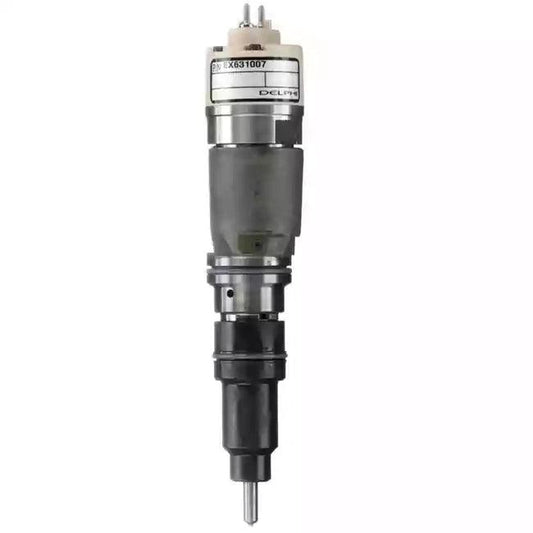
- For Caterpillar C6.4 320D excavators: 326-4700 / 10R-7675 Fuel Injector for Caterpillar C6.4 Engine
- For Cummins 5.9L HPCR engines: 0445120238 Fuel Injector for Cummins 5.9L Engine
Need help verifying your fuel pump or injector part numbers? Because high-pressure pump specifications vary across equipment manufacturers, machine serial numbers, and emission tiers, do not order based on engine model alone. Send photos of your engine data plate, machine serial tag, and old pump nameplate to FuelPartsPro—our technical specialists will confirm the exact cross-reference match before you order.