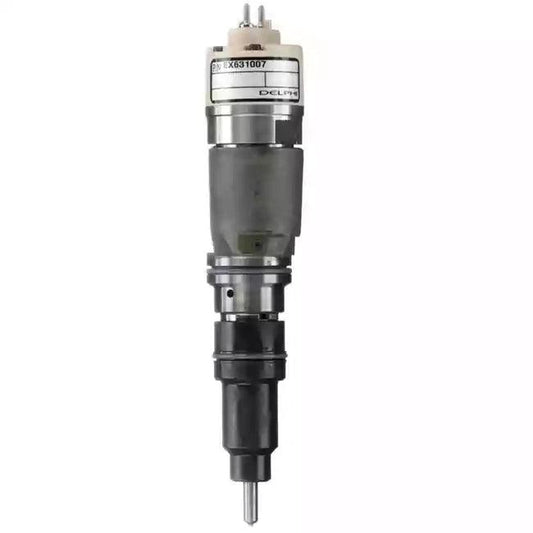
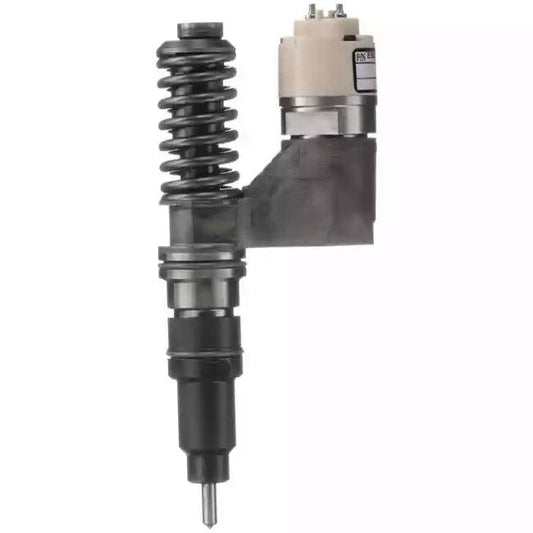


The Caterpillar 320D hydraulic excavator is an industry workhorse, widely deployed in heavy civil earthmoving, quarry operations, and demolition worldwide. At the heart of the 320D series (including the 320D L, 320D LN, 321D LCR, and 323D L) sits the Cat C6.4 ACERT diesel engine, utilizing an electronically controlled common-rail fuel system designed to deliver precise high-pressure atomization across varied load cycles.
However, when operating in demanding field conditions, the high-pressure fuel injection system is vulnerable to fuel contamination, microscopic abrasive wear, and filter starvation. Symptoms such as prolonged engine cranking, sudden power derate (limp mode), black or white exhaust smoke, and unexpected engine stall under hydraulic stall load frequently cause costly unplanned machine downtime.
Replacing high-pressure pumps or a full set of common-rail injectors blindly without systematic troubleshooting often results in recurring failure. This technical diagnostic guide details the C6.4 fuel architecture, electronic fault triggers, upstream diagnostic sequences, leak-off testing, and component replacement best practices.
⚠️ Mandatory High-Pressure Safety Warning
DANGER: HIGH-PRESSURE FLUID INJECTION HAZARD. The Cat C6.4 common-rail system operates at hydraulic pressures exceeding 1,800 bar (26,100 psi). High-pressure diesel spray can easily penetrate heavy work gloves, clothing, and human skin, causing catastrophic subcutaneous tissue necrosis, bacterial infection, and permanent disability or amputation.
- Never crack open fuel lines, rail fittings, or injector nuts while the engine is running or cranking.
- After key-off, wait at least 15 minutes for accumulator rail pressure to bleed down.
- Verify rail pressure is near 0 bar via Cat ET (Electronic Technician) or diagnostic service gauge before disconnecting any hydraulic fittings.
- Always wear safety glasses, face shields, and chemical-resistant protective gloves.
1. Cat C6.4 Fuel System Technical Specifications
Understanding factory specifications and cross-reference numbers is critical for accurate parts identification and pressure testing:
| Component | OEM Part Number | Reman / Engineering Numbers | Operating Parameter |
|---|---|---|---|
| Common Rail Fuel Injector | Cat 326-4700 | 10R-7675 / 32F61-00062 | Up to 1,800 bar injection pressure |
| High-Pressure Fuel Pump | Cat 320-2512, 326-4635 | 295-9126 / 32F61-10302 | Engine gear-driven twin-piston |
| Alternative High-Pressure Pump | Cat 317-8021 | C6.4 / C6.6 Common Platform | Integrated Suction Control Valve (SCV) |
| Low-Pressure Priming Circuit | Electric Transfer Pump | Filter Base Mounted | 2.5 - 3.5 bar supply pressure |
2. Machine Platform Compatibility & Generation Differences
The Cat C6.4 engine is specifically deployed in:
- Cat 320D Series Excavators: 320D, 320D L, 320D LN, 320D RR
- Cat Compact Radius Excavators: 321D LCR
- Cat 323D Series Excavators: 323D, 323D L, 323D LN
Crucial Identification Note: Do not confuse the Cat 320D C6.4 system with other generations. Older Cat 320C excavators employ the mechanical Mitsubishi 3066 engine without common-rail electronics. Newer Cat 320D2 models transition to the Perkins 1204E / Cat C4.4 mechanical or electronically governed platform utilizing different injection pumps (such as pump 398-1498). Always inspect your engine serial number (ESN) tag to confirm displacement and fuel system tier.
3. Common Diagnostic Trouble Codes (DTCs) in Cat 320D
When the Cat ECM detects fuel delivery or pressure deviations, it logs standard diagnostic fault codes via Cat ET:
- CID 0094 / FMI 01 - Fuel Delivery Pressure: Low: Supply pressure before the high-pressure pump is below operating threshold. Usually points to blocked primary filters, air in-leakage, or a failing low-pressure lift pump.
- CID 0164 / FMI 00 or 02 - Fuel Rail Pressure Sensor Abnormal: Rail pressure signal erratic, intermittent, or beyond physical calibrated limits. Inspect sensor harness wiring and connector pins before replacing the rail sensor.
- CID 1797 / FMI 01 - Fuel Rail Pressure: Below Normal: Actual rail pressure cannot reach target rail pressure demanded by the ECM map. Analogous to automotive code P0087 Low Rail Pressure, triggering engine derate.
4. Step-by-Step Upstream Diagnostic Sequence
Before condemning the high-pressure pump or injectors, follow this systematic elimination sequence:
Step 1: Fuel Tank and Suction Line Integrity
Inspect the fuel tank drain for water accumulation and microbial sediment. Check the tank breather valve; a clogged tank vent creates a vacuum that starves the lift pump as fuel is consumed.
Step 2: Low-Pressure Delivery and Filtration Check
Replace primary water separator and secondary 2-micron fuel filters. Measure supply pressure at the inlet of the high-pressure pump during cranking. Feed pressure must hold between 2.5 and 3.5 bar. If pressure fluctuates or air bubbles appear in clear test lines, check fuel line banjos and suction O-rings for air infiltration.
Step 3: Suction Control Valve (SCV) Inspection
The SCV (fuel metering valve) mounted on the high-pressure pump regulates fuel volume entering the pumping chambers. Remove the SCV and inspect for varnishing, metallic debris, or sticky plunger movement. Coil resistance should typically measure between 1.5 and 2.5 ohms at 20°C.
Step 4: Pressure Limiter Valve (Relief Valve) Inspection
The mechanical pressure limiter on the common rail protects against hydraulic overpressure. Disconnect the return hose from the relief valve and crank the engine. Under normal cranking and idling, zero fuel should escape from the relief valve. Any continuous leakage indicates an eroded valve seat dropping system rail pressure into the return circuit.
5. Injector Return Flow Testing & Replacement Best Practices
If low-pressure circuits and the rail relief valve test normal but rail pressure remains insufficient for engine starting, internal injector back-leakage is the primary suspect. A worn injector control valve valve dumps high-pressure fuel directly back into the return circuit, preventing the common rail from reaching the 250 - 300 bar required for engine fire.
- Perform a Dynamic Leak-Off Test: Connect calibrated measuring vials to the return ports of all 6 injectors while cranking or idling. A cylinder returning more than 30% above the average of the other cylinders indicates excessive hydraulic leakage through the command piston. For full test parameters, consult our Diesel Injector Leak-Off Test Guide.
- Program Injector Trim Codes (IQA): Each common-rail injector features an alphanumeric calibration code printed on its electrical head. When installing replacement injectors, this calibration code must be flashed into the Cat ECM using Cat ET to balance cylinder fueling and exhaust temperatures.
- Clean-Room Installation Standards: Blow out injector bores with lint-free wipes and compressed air. Never reuse copper sealing washers or high-pressure jumper tubes. Torque high-pressure line nuts to factory specifications; overtorquing deforms the conical seal, causing microscopic fuel spray.
6. Verified Genuine & Aftermarket Replacement Parts
When diagnostic testing confirms worn components, selecting precision-calibrated replacement parts restores engine horsepower, hydraulic responsiveness, and fuel economy:
- Cat C6.4 Fuel Injector: 326-4700 / 10R-7675 Fuel Injector for Cat C6.4 Engine. Bench-tested with 12-month warranty, precision matched nozzle and control valve assemblies.
- Cat C6.4 High-Pressure Pump: 320-2512 / 326-4635 Fuel Injection Pump for Cat C6.4. Complete with calibrated suction control valve.
- Platform Alternative Pump: 317-8021 Fuel Injection Pump for Cat C6.4 / C6.6 Engine.
- Caterpillar Fuel System Cross-Reference: Review our comprehensive Caterpillar Fuel System Part Number Cross-Reference Guide for complete casting and reman mappings.
Need Fitment Verification for Your Cat 320D?
High-pressure fuel injection systems vary across excavator serial prefix ranges. Before placing your order, take a clear photo of your Engine Serial Number (ESN) plate and Machine Serial Arrangement tag, and send it to our engineering technical support team for 100% verified compatibility confirmation.